What Radiator Hoses Do (and Why They Matter)
Most vehicles rely on several key hoses, each with a specific job:
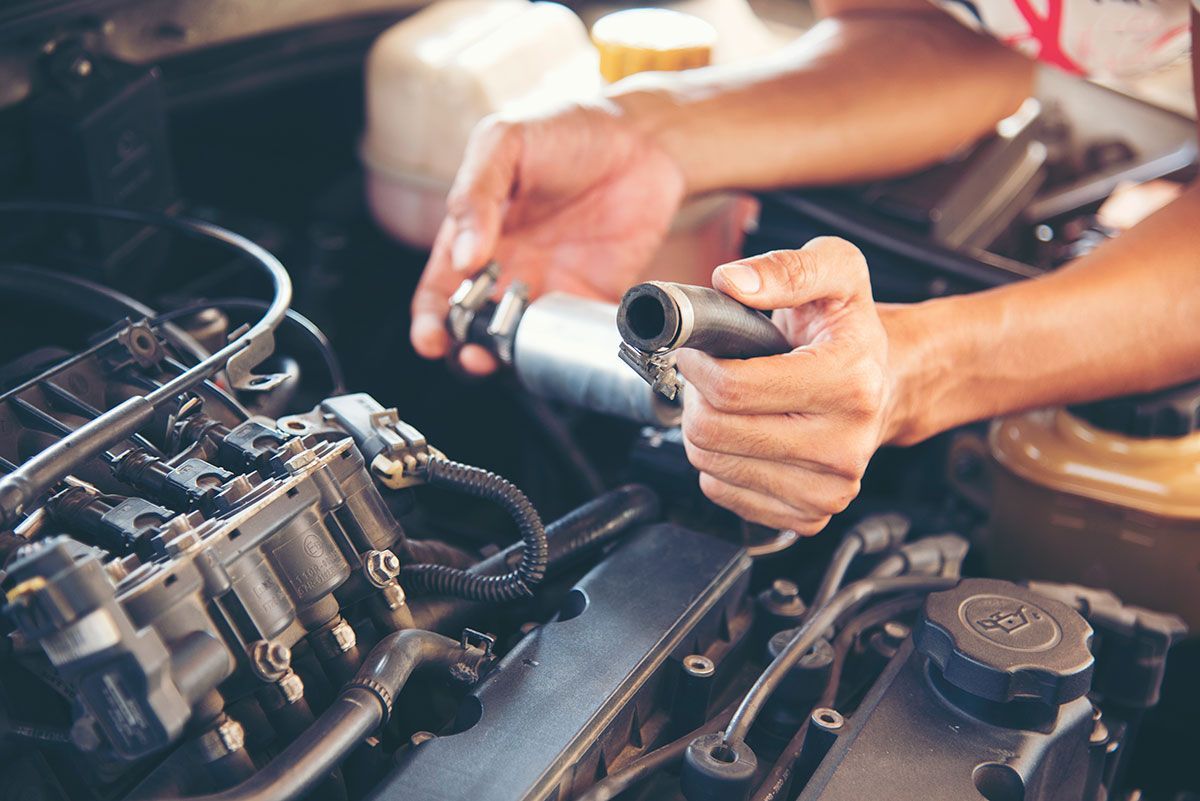
- Upper radiator hoses: Carry hot coolant from the engine to the radiator.
- Lower radiator hoses: Return cooled coolant from the radiator back to the engine.
- Heater hose lines: Route hot coolant to the heater core for cabin heat and defrost.
- Smaller bypass or auxiliary hoses that support flow and pressure balance.
Together, these radiator hoses keep the cooling system sealed and pressurized. When hoses soften, crack, or swell, pressure drops, coolant escapes, and engine temperature rises.
Practical takeaway: If your temperature gauge climbs higher than usual or your heater suddenly blows cold air, it can point to a failing coolant hose applications—especially if coolant is low.
Common Causes of Radiator Hose Failure
Hoses don’t fail randomly—there are predictable patterns:
1) Heat cycling and age
Rubber compounds break down over time as they expand and contract with temperature changes.
2) Oil contamination
Oil leaks can degrade rubber and cause soft spots that balloon under pressure.
3) Clamps and connection wear
A hose can be fine, but a worn clamp or corroded fitting can trigger seepage and a
radiator hose leak.
4) Coolant issues
Old coolant can become acidic and contribute to internal deterioration.
Tip: If you smell a sweet odor after parking, or see green/orange residue near hose ends, schedule an inspection before it becomes a roadside problem.
Signs You May Have a Radiator Coolant Hose Problem
Look for these warning signs:
- Visible cracks, fraying, or bulges in the hose
- Dampness at the hose ends or around clamps
- Coolant puddles under the front of the vehicle
- Temperature gauge creeping upward
- Low coolant warning or frequent top-offs
- Steam from under the hood (stop driving immediately)
For drivers searching “brake inspection near me” or tire help, it’s smart to also request a quick cooling-system visual check—because many under-hood problems are easiest to catch during routine service visits.
Coolant Hose vs. Heater Hose: What’s the Difference?
A coolant hose is a general term for any hose that carries coolant. A heater hose specifically feeds the heater core. If a heater hose fails, you may notice:
- Foggy windows that won’t defrost well
- Sweet smell inside the cabin
- Damp carpet near the firewall area (in some cases)
Because heater hoses can be harder to access, labor may be higher than a basic radiator hose swap.
Heater hose replacement cost: what affects it?
While exact pricing varies by vehicle, heater hose replacement cost usually depends on:
- Hose location and accessibility
- Whether fittings/connectors are brittle and need replacement
- Coolant type required and system capacity
- Additional recommendations (thermostat, clamps, coolant service)
If you’re already budgeting maintenance, like
oil change package pricing or tire service, ask for a bundled inspection so there are fewer surprises.
What to Do If You Suspect a Radiator Hose Leak
If you think you have a leak, prioritize safety:
- Pull over if the temperature rises or you see steam.
- Turn the engine off and wait for it to cool fully.
- Do not open the radiator cap hot (burn risk).
- Check the coolant reservoir level once cool.
- Arrange professional help if you’re unsure.
If you’re stuck, roadside assistance for flats often also helps with minor breakdowns—just confirm whether they can tow if overheating is involved. A temporary top-off may get you to a shop, but it’s not a real fix if the hose is compromised.
How Stephenson Tire Pros Can Help: Tire Pros Services Overview
Many drivers know
Stephenson Tire Pros for tires, but a well-run shop often supports broader maintenance needs—especially inspections that prevent breakdowns.
A practical tire pros services overview for busy Alabama drivers typically includes:
- Tire sales and install plus warranty coverage for tire purchases
- Flat tire repair vs replacement guidance based on puncture location and tread depth
- A tire repair and rotation guide to extend tread life
- Wheel alignment signs and explanations when you notice pulling, uneven wear, or a crooked steering wheel
- Tire balancing vibration fix when you feel shaking at highway speeds
- Maintenance planning like oil change packages
- TPMS help, including TPMS sensor replacement considerations
Even if you come in for tires, it’s worth asking for a quick under-hood look—hoses, belts, fluid levels—especially before road trips or severe weather.
Smart Maintenance Habits to Prevent Hose Failures
You don’t need to be a mechanic to reduce the odds of hose trouble. Build these habits:
- Look under the hood monthly: Check for wet spots, crusty residue, or swollen hoses.
- Watch the temperature gauge: Small changes over time can be meaningful.
- Replace clamps when needed: A new hose with a weak clamp can still leak.
- Follow coolant service intervals: Fresh coolant helps protect seals and internal surfaces.
- Schedule inspections with other services: Combine checks with rotations, alignments, or brake visits.
If your vehicle is in for tire balancing vibration fix work or you’re discussing wheel alignment signs and cost, it’s an ideal time to ask, “Can you also check the radiator hoses and heater hoses?” It takes minutes and can prevent a tow later.
Choosing Repairs Wisely: Repair vs Replace (A Quick Decision Guide)
Just like flat tire repair vs replacement has clear rules, cooling hoses do too:
A hose may be OK to keep (with a clamp adjustment) if:
- The hose rubber is firm, not spongy
- No cracks/bulges are present
- The leak is only at a clamp and the hose end isn’t degraded
A hose should be replaced if:
- There are cracks, swelling, soft spots, or oil-soaked sections
- The leak returns after tightening
- The hose has become brittle or excessively soft
- The vehicle is high-mileage and multiple hoses are aging together
When you balance prevention and cost, replacement at the right time is usually cheaper than overheating damage.
Conclusion: The Small Part That Protects the Big One
Radiator hoses are simple, affordable components—yet they protect one of the most expensive systems in your vehicle: the engine. A proactive inspection for a radiator coolant hose or coolant hose issue can prevent overheating, breakdowns, and stress on long drives.
If you’re already scheduling tires, brakes, or
routine maintenance at Stephenson Tire Pros, add a quick check of radiator hoses and heater hoses to your visit. In Alabama driving conditions, that small step can make the difference between a smooth week and an unexpected tow.