
How to Break in Your New Car


 December 2, 2024

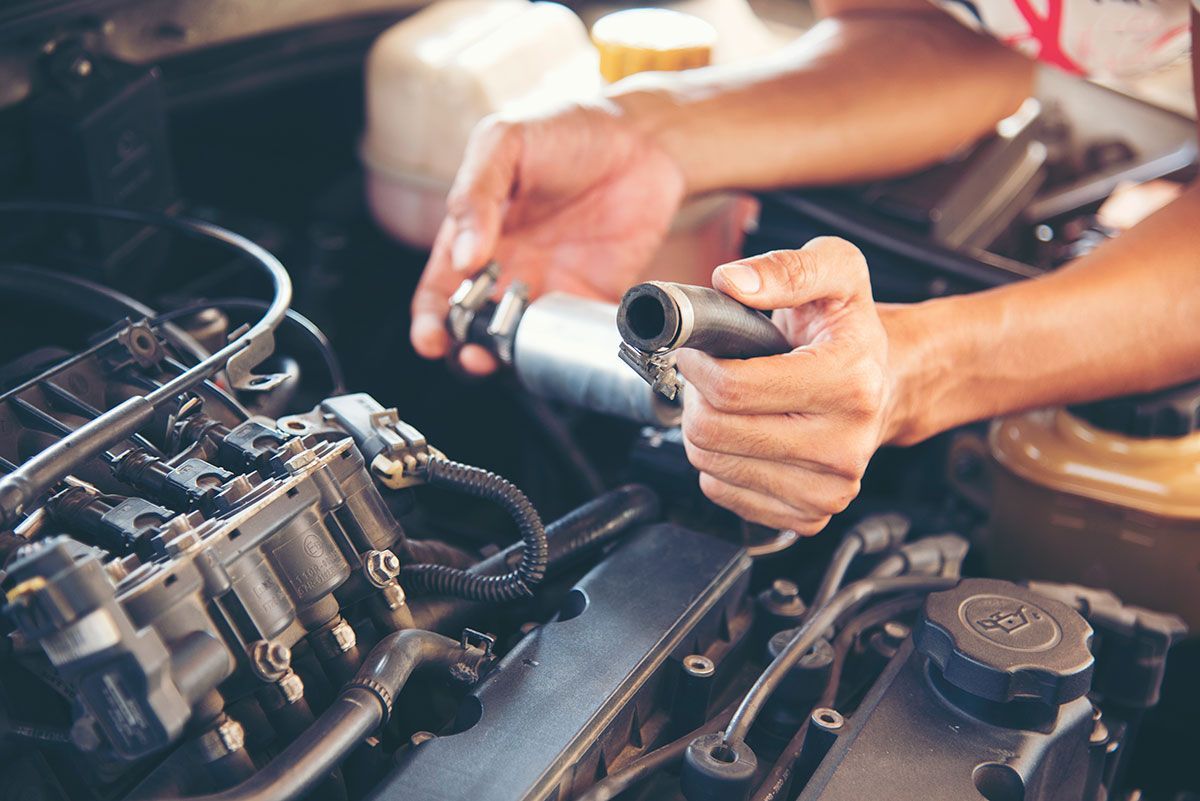
You are stepping into the new year with a shiny, brand-new car. You can’t wait to take it out on the road and break it in. But how exactly do you do that? Breaking in a new car is a practice that has been recommended by manufacturers for decades. The ritual is often referred to as conventional wisdom. It involves a combination of driving techniques, precautions, and maintenance tasks to help extend a car’s lifespan. Properly breaking in your automobile will ensure that early engine wear is kept to a minimum, oil flows smoothly and evenly through all moving parts, and components such as the piston rings and transmission adjust to each other.


There are some techniques you can use to give your new car time to adjust to everyday driving conditions. Here we will highlight some of the things you need to do to break in your new vehicle. Your new ride deserves to be eased into the demands of its owners so it can perform effectively and last longer. 


Techniques for Breaking in a New Car


Avoid Extreme Acceleration


When you get your new ride, we know the first thing you want to do is floor the accelerator when you get out on the open road. This can put a lot of strain on the engine oil, piston rings, and cylinders. Aggressive acceleration when the car is cold can be harmful. In the first 1,000 miles, accelerate gently and work through the gears quickly before the RPM can build too high. 


Vary Your Engine Speed


Don’t push your new engine too hard for the first 1,000 miles. This can put a lot of strain on components. You should vary your speed while keeping the engine under 4,000 RPMs to properly break-in the engine. After that, you can gradually increase the RPM without any negative effects.
 

Avoid Hard Braking


Unless it's necessary, smooth and slow braking is the way to go. The new brake pads need at least 200 miles to properly wear-in and seat against parts like the rotors and calipers. Hard braking can cause the brake pads to wear rapidly, meaning you'll need new brake pads sooner. 


Avoid Short Trips Which Don’t Give the Engine Time to Warm Up


Short trips aren’t ideal for brand new cars. When your engine is cold, it needs to work harder, putting a lot of strain on the oil delivery cycle. To break in your new car, take it on a long drive to let the engine warm through.

Aside from following the break-in guidelines in your car owner’s manual, proper maintenance will also help to extend the longevity of your car. Oil changes, tire maintenance, brakes, engine diagnostics, and all fluids should be monitored regularly and topped up as needed. Breaking in your vehicle will offer improved fuel economy, reduced oil consumption, optimal engine performance, and better overall reliability. 

Schedule An Appointment

Online Appointment Scheduling in Florence, Killen, and Muscle Shoals, AL 

Schedule your Visit with Stephenson Tire & Alignment.


ABOUT / CONTACT
Stephenson Tire and Auto
Search A Location Near You:
Stephenson Tire and Auto
Zip/Postal Code or City, State/Province*
Required Field(*)
My A Location

SHARE THIS

Latest Posts

Mechanic in a blue jumpsuit stands in a garage with arms crossed, red sports car to his right.
December 2, 2024
Unless you consider yourself a car enthusiast, you may find yourself feeling a bit lost when having conversations with your mechanic. At times, it can feel like you are speaking to someone using a different language with words like “grease monkey,” “kickdown,” and “oversquare” whizzing past your head like dodgeballs. 
Close-up of a car tire with prominent tread against a black background.
December 2, 2024
Whether it’s the price of gas, the people you spend time with, or the level of satisfaction you have with your job, one thing in life is certain, things change. It may not be a surprise your vehicle, the way it works, and how much it costs has changed significantly over the years.
Car brake disc and caliper, under a vehicle, showing wear and tear.
December 2, 2024
Keeping your car’s brakes in good condition is one of the most crucial preventative maintenance items for keeping yourself, your passengers, and your car safe on the road. Your vehicle’s brake components are not going to last forever, but you can keep them properly maintained to preserve their usefulness.
Hand adjusting car climate control knob in a car interior.
December 2, 2024
The heating and cooling system are connected within your car, but they function as separate systems. Maintaining you’re A/C and heating systems involves having regular maintenance performed to avoid any larger issues down the line. Proper maintenance of these components can make the difference between a comfortable and relaxed drive and a torturous journey.
Rows of tires stacked in a storage room with metal shelving and grated flooring.
December 2, 2024
Tires are the only point of contact between your vehicle and the road. They also support the weight of the vehicle. Tires play a vital role in ensuring your car is safe to be driven. Selecting the right tires for your vehicle is an important task.